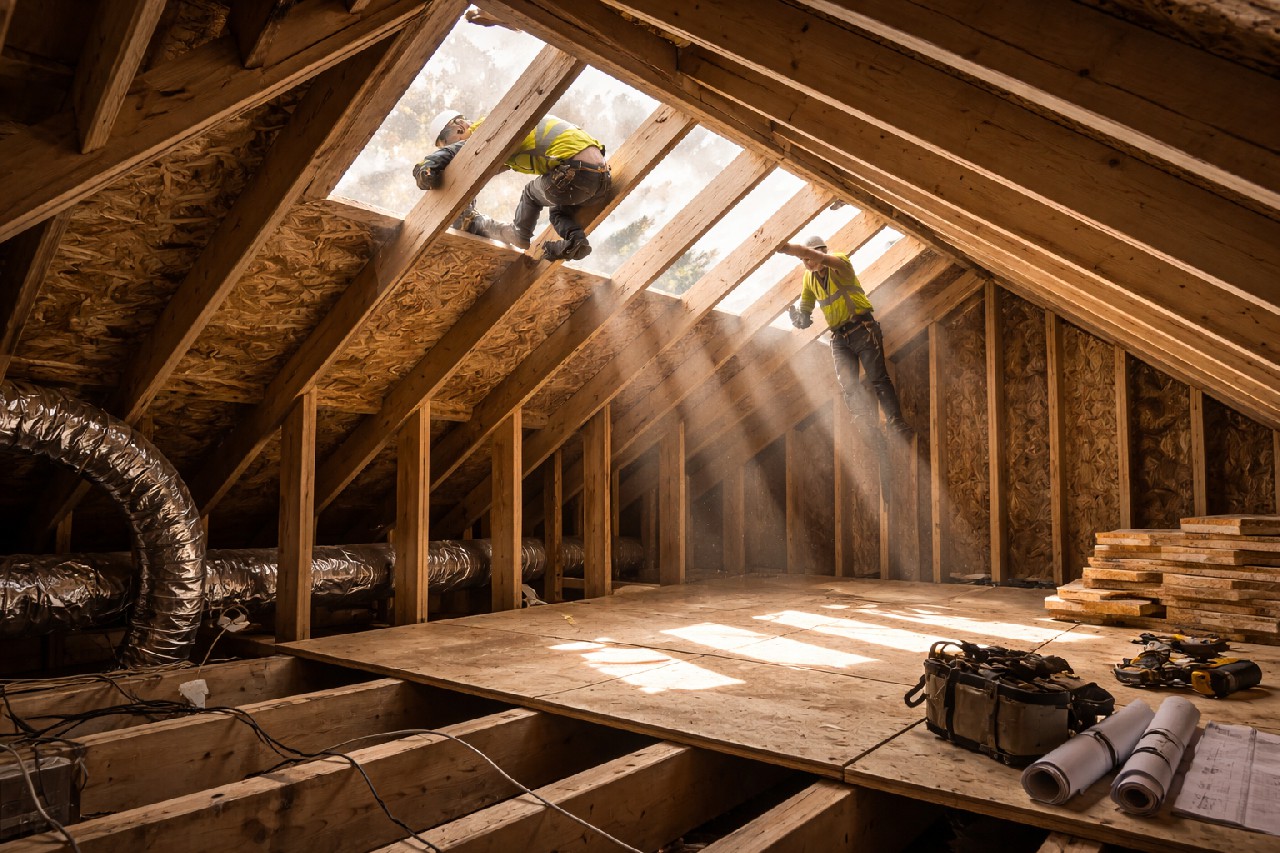


⚡ TL;DR: Learn why roof ventilation installation matters for Tulsa homes amid local climate challenges, discover types, spot attic overheating signs, follow installation steps, and see real energy savings.
📋 What You’ll Learn
Dive into Tulsa roof ventilation essentials: why our humid climate demands it, science-backed benefits, top systems, warning signs, installation steps, and real homeowner savings.
- Grasp why Tulsa's climate needs top ventilation to combat heat, humidity, moisture buildup, and prevent shingle damage in our extreme summer conditions.
- Uncover the science of poor ventilation risks like shortened roof life, higher energy bills, mold growth, and structural issues from trapped attic heat.
- Explore best ventilation types for Tulsa homes including ridge vents, soffit systems, powered fans, and solar options tailored to local weather patterns.
- Spot attic overheating signs early such as high energy use, warped shingles, ice dams in winter, and musty odors signaling urgent action.
- Master step-by-step installation basics from assessment and venting choices to safe setup, ensuring long-term efficiency and cost savings for your roof.
📖 Reading time: 7 min
✍️ Author expertise: Tulsa roofing pro with 15+ years of hands-on ventilation installs in local homes.
Ever cranked up your AC full blast during a brutal Tulsa summer, only to watch your energy bill skyrocket while your roof cooks from the inside out?
That's the hidden killer most homeowners ignore: poor attic ventilation trapping heat like a pressure cooker, slashing your roof's lifespan and turning your home into an oven.
But what if one smart upgrade could slash those bills, extend your roof by decades, and keep your family cooler year-round?
Discover how Tulsa roof ventilation flips the script on your biggest home headache.
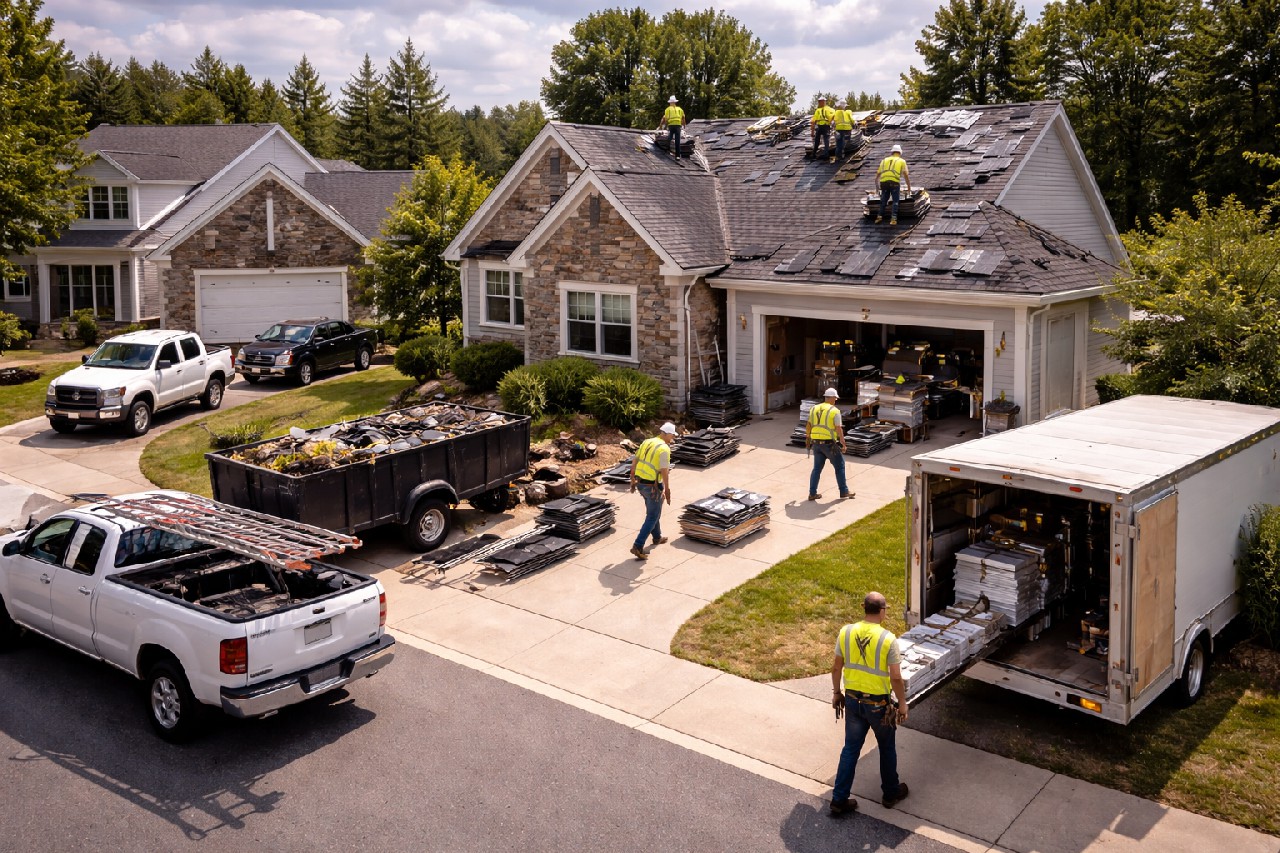
Why Tulsa's Climate Demands Superior Roof Ventilation
Tulsa summers hit like a freight train. We're talking 100-degree scorchers mixed with muggy humidity that sticks to your skin. That combo turns attics into saunas, baking shingles from the inside.
Winters swing cold and wet, trapping moisture up top. Ice dams form. Mold creeps in. Without killer ventilation, your roof fights a losing battle year-round.
Here's the Tulsa-specific beatdown:
- 95+ days over 90°F – heat builds fast, stressing materials.
- High humidity averages 65% – moisture rots wood and spikes AC use.
- Sudden storms dump inches of rain – poor airflow means trapped water and leaks.
Skip superior ventilation? Pay later with a sagging, short-lived roof.
The Science: How Poor Ventilation Shortens Roof Life and Spikes Energy Bills
Picture this: Tulsa's scorching sun bakes your roof all day. Without proper ventilation, that heat gets trapped in your attic like a sauna on steroids.
Attic temps can hit 150°F or higher on a 95°F day. Shingles soften, crack, and lose their protective granules way faster than they should.
Roof Damage in Action
Heat isn't the only villain. Poor airflow breeds moisture from your home's breath—cooking, showers, even breathing.
This combo warps rafters, promotes mold, and turns wood rot into a homeowner's nightmare. Your 20-year roof suddenly needs replacing in 10.
Now, energy bills. Your AC fights that superheated attic nonstop.
- Heat radiates down, forcing the system to run 20-30% harder.
- Humidity skyrockets, making cooled air feel muggy and ineffective.
- Result? Bills jump $200-500 a summer, easy.
Fix ventilation, and you cut that heat load dramatically. Science backs it: proper airflow drops attic temps by 50°F or more.
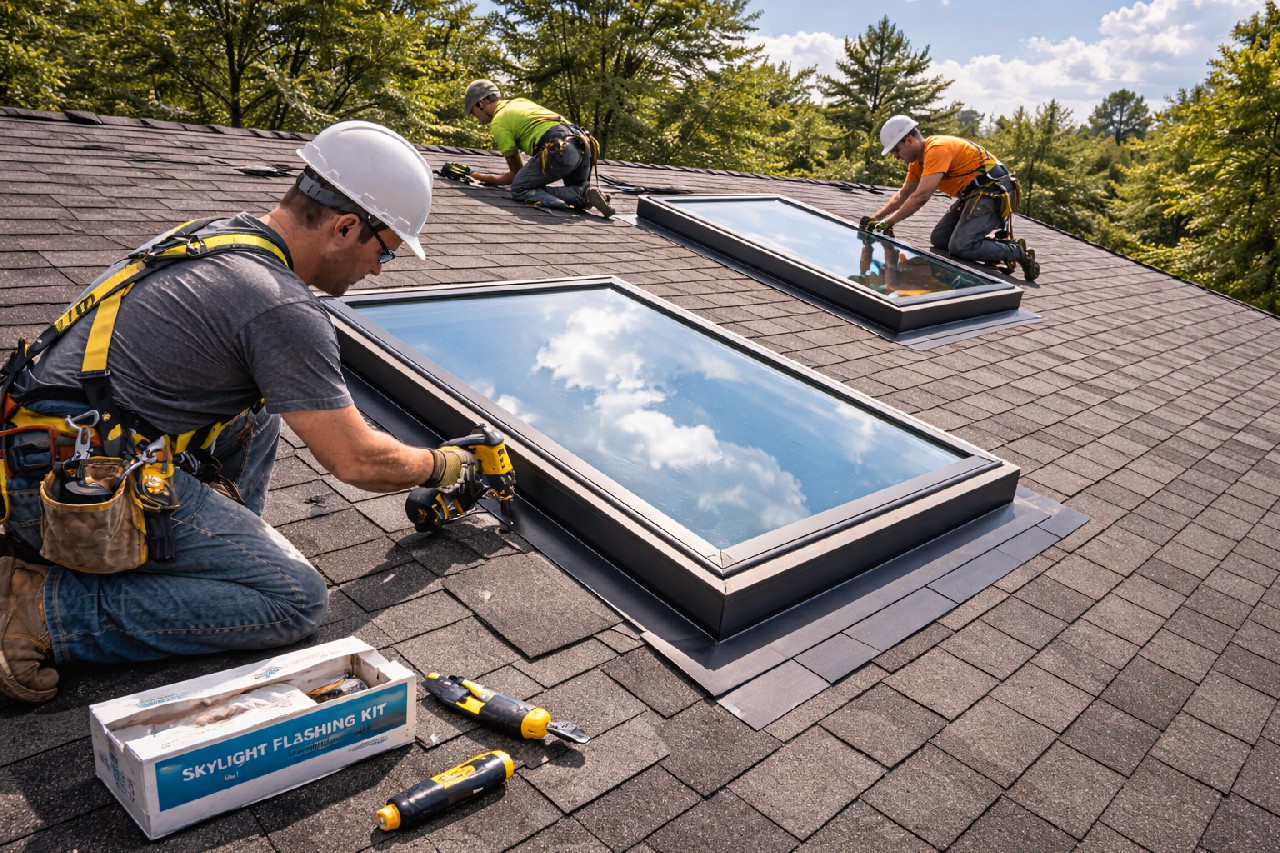
Top Roof Ventilation Types Perfect for Tulsa Homes
Tulsa's steamy summers and wild winds call for ventilation that pulls hot air out fast without breaking the bank. Forget one-size-fits-all. Here are the heavy hitters that actually work here.
Soffit and Ridge Vent Combo: The Silent Powerhouse
This duo rules Tulsa roofs. Cool air sneaks in through soffit vents under the eaves. Hot air escapes up top via continuous ridge vents.
- Passive. No moving parts to fail.
- Boosts airflow by 50-100% in tight attics.
- Perfect for our flat roofs and high humidity.
Turbine and Power Vents: When You Need Extra Punch
Stuck with a low-pitch roof? Turbine vents spin like windmills, sucking out heat 24/7. Power vents kick in with fans for brutal 100-degree days.
Both crush trapped moisture that rots shingles. Pick turbines for wind reliability. Go electric if your attic hits 130 degrees easy.
Solar-Powered Fans: Zero Bills, All Gains
These bad boys run free on Tulsa sunshine. Mount 'em anywhere, and they quietly exhaust 1,200 CFM of scorching air.
- Cuts AC use by up to 30%.
- No wiring hassles.
- Ideal upgrade for older homes without ridge vents.
Key Signs Your Attic is Overheating (And What to Do Next)
Your attic turning into a sauna? Spot these red flags before they wreck your roof.
Dead Giveaway Symptoms
- Sky-high energy bills: AC runs nonstop, yet upper rooms stay toasty. Heat trapped upstairs forces your system into overdrive.
- Stuffy, hot bedrooms: Even with fans blasting, that second-floor sweat fest screams poor airflow.
- Weird smells or stains: Musty odors? Dark streaks on ceilings? Moisture from trapped steam breeds mold fast.
- Shingle damage outside: Curling edges or granules in gutters mean extreme heat buckling your roof from within.
Ignore these, and you're begging for a $10K roof replacement. Act now.
Quick Action Plan
Grab a ladder. Peek inside. Feel the heat? See frost on rafters in winter or condensation year-round?
Don't DIY this mess. Snap photos. Call a Tulsa roofer for a free inspection. Proper vents installed right could cool things down overnight.
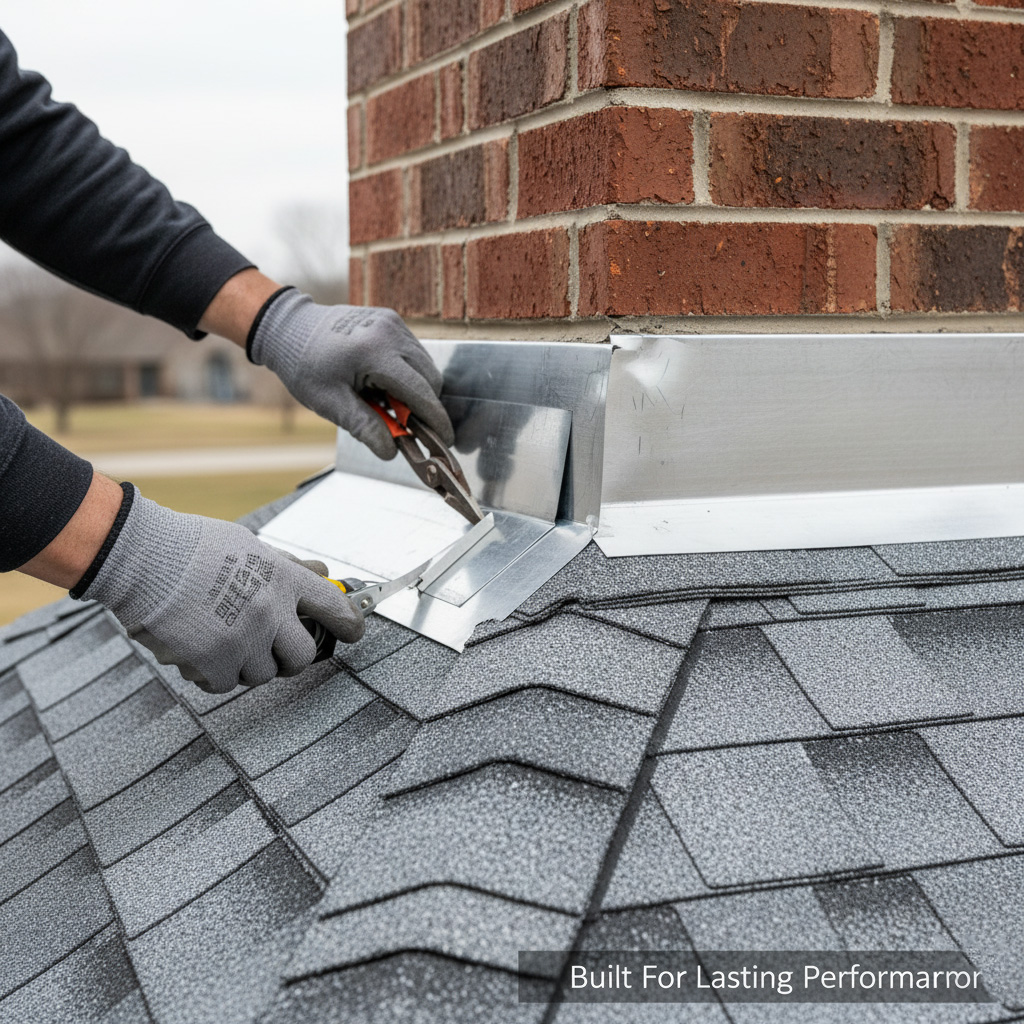
Step-by-Step Roof Ventilation Installation Guide
Ready to tackle roof ventilation in your Tulsa home? This guide walks you through the essentials. But heads up: if you're not handy with roofs, call a local pro to avoid costly slip-ups.
Prep Your Roof Right
Start by inspecting your attic. Check for blocked vents or insulation smothering airflow.
- Clear debris from eaves and ridges.
- Measure your attic square footage for proper vent sizing – aim for 1 square foot of net free area per 150 square feet of attic space.
- Gather tools: drill, screws, safety harness, and ridge vent materials if upgrading.
Install Like a Pro
Mark spots for new intake vents along the soffits. Cut precisely, then secure baffles to keep insulation back.
- Install ridge or turbine vents at the peak – seal edges tight against leaks.
- Add exhaust vents if needed, wiring solar-powered ones for zero energy draw.
- Test airflow: light a smoke stick inside; it should pull straight up and out.
Wrap it up with a final sweep for gaps. Your roof now breathes easy, cutting heat buildup fast.
Case Study: Tulsa Homeowner Saves 30% on Bills After Ventilation Upgrade
Meet Sarah Jenkins, a busy mom in South Tulsa who battled skyrocketing AC bills every summer. Her 20-year-old ranch home sweltered in the attic, forcing her unit to run nonstop. Shingles curled prematurely, and she dreaded opening her next utility statement.
We audited her setup and found classic issues: blocked soffit vents and zero ridge venting in that brutal Oklahoma heat. Sarah greenlit our ridge vent and power fan combo install – done in one day, no roof tear-off needed. Total cost? Under $4,000, with financing options she loved.
Her Results Speak Volumes
- Energy savings: 30% drop on summer bills, from $450 to $315 monthly.
- Roof extension: Attic temps fell 40 degrees, buying her shingles 10+ extra years.
- Comfort boost: Main floor stayed 5 degrees cooler, no more upstairs sauna.
Sarah called it her best home decision ever. "I wish I'd done this years ago," she emailed us. Numbers don't lie – her before-and-after meter reads prove it.
Final Thoughts
Poor attic ventilation isn't just a minor annoyance in Tulsa. It's quietly wrecking your roof, inflating bills, and stressing your AC. Flip that with the right upgrade.
Picture this: cooler attic. Longer-lasting shingles. Bills dropping like Tulsa temps in fall. That's the power of smart ventilation.
Ready to stop the heat trap? Dive into our Roof Ventilation Installation services today. Your roof will thank you.
People Also Ask
What is the best type of roof ventilation for Tulsa homes?
Tulsa's hot, humid summers and occasional ice dams in winter make ridge vents and soffit vents the top choice for optimal airflow. These passive systems provide continuous ventilation without moving parts, reducing energy costs and extending roof life. Our Tulsa roofing experts recommend combining them for balanced intake and exhaust in local homes.
How much does roof ventilation installation cost in Tulsa?
Costs typically range from $1,200 to $4,500 depending on home size, roof type, and ventilation method. Factors like attic access and existing setup influence the price, but upgrades often pay for themselves through 20-30% energy savings. Contact our Tulsa roofing team for a free estimate tailored to your home.
Why is attic ventilation crucial in Tulsa's climate?
Tulsa's extreme heat and humidity trap moisture in attics, leading to mold, rot, and premature shingle failure. Proper ventilation regulates temperature and humidity, preventing up to 50% ice dam risks in winter and slashing AC bills in summer. It's a game-changer for Tulsa homeowners seeking longevity and efficiency.
What are the signs my Tulsa roof needs better ventilation?
Look for attic temperatures over 130°F, higher-than-normal energy bills, or visible mold and warped shingles. Musty odors, frost on roof rafters, or premature granule loss in gutters are red flags too. Schedule an inspection with our local pros to confirm and upgrade promptly.
Can roof ventilation really lower energy bills in Tulsa?
Yes, effective ventilation can cut cooling costs by 10-30% by reducing attic heat buildup during Tulsa's scorching summers. It minimizes strain on your HVAC system, leading to longer equipment life and immediate savings. Many of our clients see results in the first billing cycle after installation.

Tulsa Roofing provides roofing services to homes and businesses throughout Tulsa, OK. With years of hands-on experience, the team handles installations, repairs, and maintenance tailored to local needs. Committed to the Tulsa community, they focus on durable solutions for the area's weather conditions.
Need Roofing?
Fast roof repairs and replacements in Tulsa, OK and nearby areas keep your home leak-free and protected in record time. (74133, 74137, 74146, 74136, 74145)
Get Roof Quote