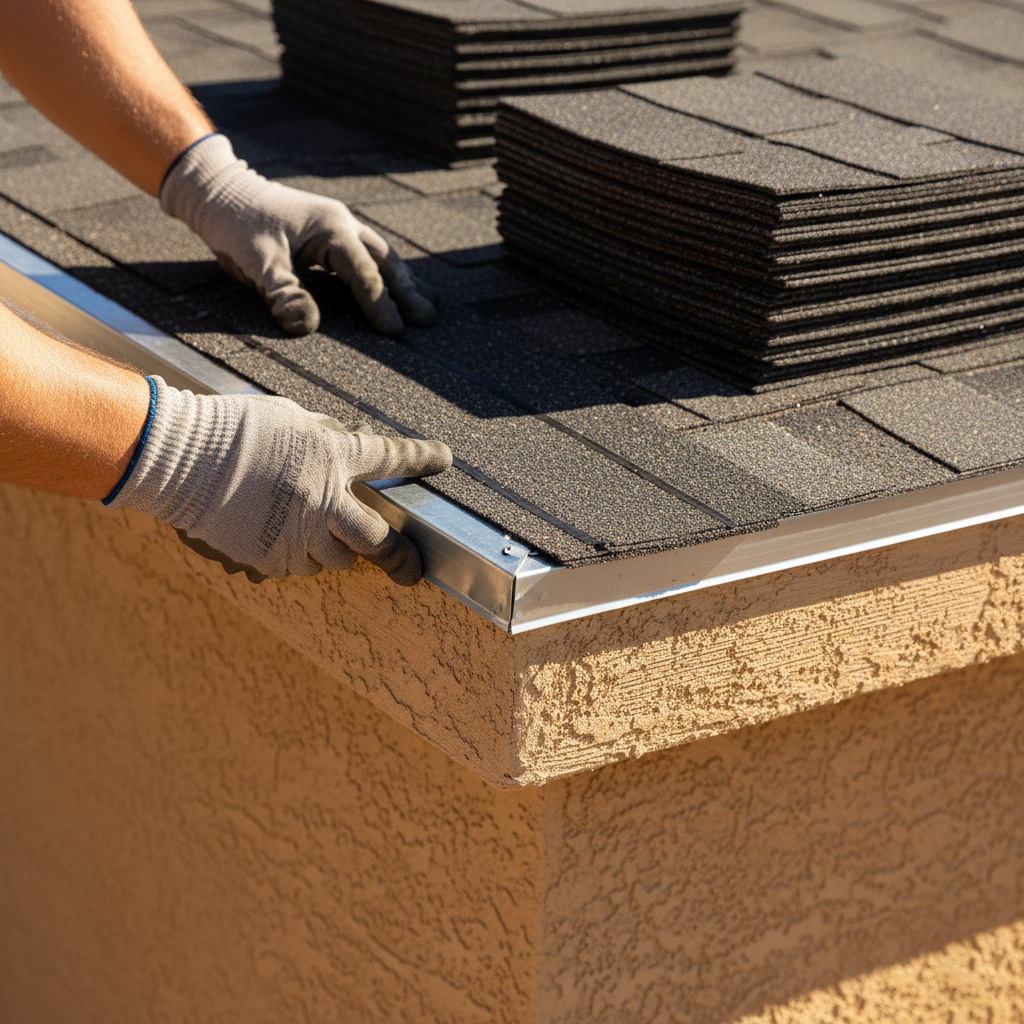


⚡ TL;DR: Discover seven roof installation secrets Tulsa pros often hide, like deck prep and ventilation hacks, to build durable roofs against Oklahoma's hail, winds, and heat.
📋 What You’ll Learn
Uncover the 7 hidden roof installation secrets Tulsa pros use to battle Oklahoma's hail, winds, and heat, ensuring longer-lasting protection for your home.
- Master deck preparation Tulsa crews rush to build a rock-solid base that prevents sagging, rot, and early failures in our humid climate.
- Discover underlayment upgrades for hail resistance that shield against Oklahoma's pounding storms, slashing repair costs and boosting roof durability long-term.
- Learn flashing mastery against windy leaks using pro techniques to seal edges perfectly, stopping water intrusion during Tulsa's fierce gusts.
- Unlock nailing patterns for 100+ MPH winds that secure shingles tightly, keeping your roof intact through tornado-season threats.
- Implement ventilation hacks for scorching summers to fight heat buildup, reduce energy bills, and avoid premature shingle degradation in Tulsa heat.
📖 Reading time: 7 min
✍️ Author expertise: Tulsa roofing pro with 15+ years of hands-on installs in Oklahoma's harsh weather.
Ever handed over $20,000 for a new roof in Tulsa, only to watch shingles fly off in the first big windstorm?
You're not alone. Local roofing crews swear it's "top-quality work," but they bury the tricks that keep your roof standing strong through Oklahoma's brutal hail and heat.
Today, we're spilling those seven secrets Tulsa pros don't want you knowing, straight from the trenches.
Read on to arm yourself before your next roof job turns into a nightmare.
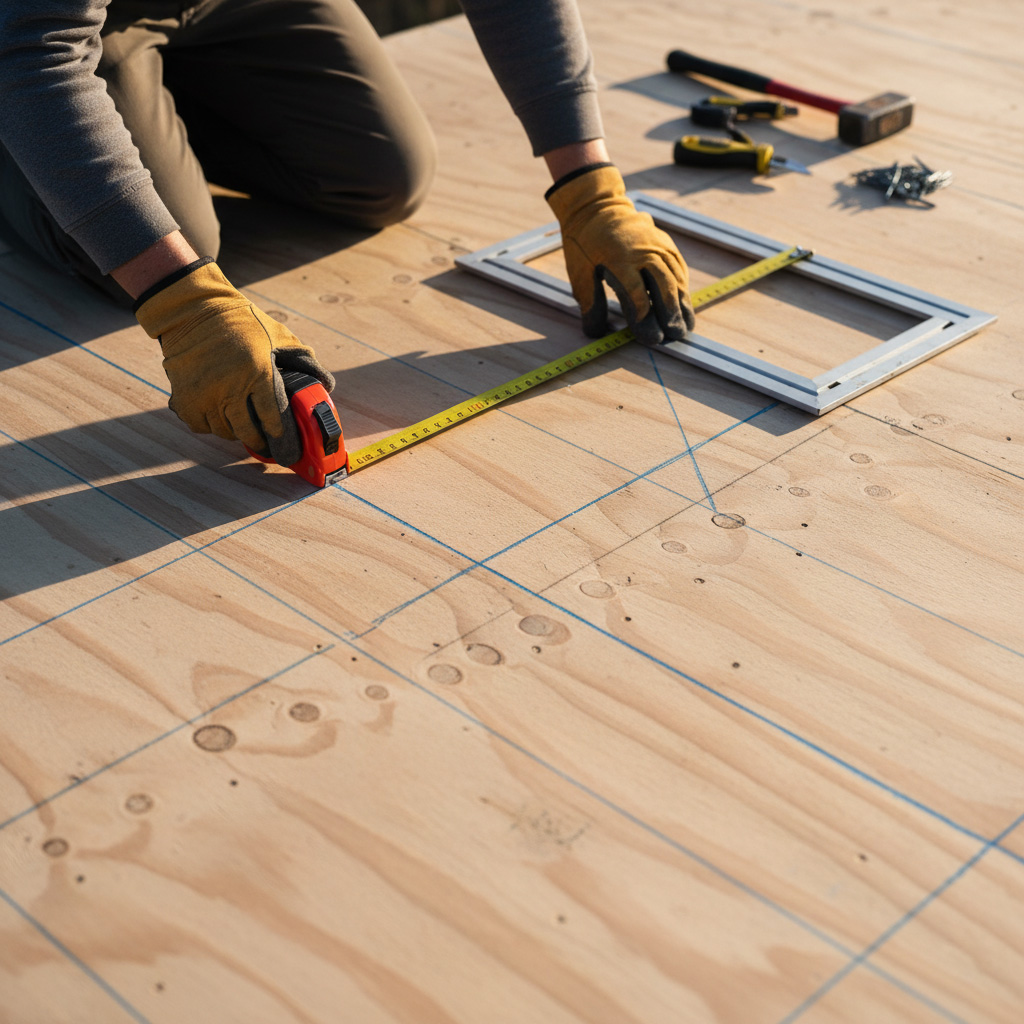
Secret #1: Deck Preparation Tulsa Crews Rush Through
Most Tulsa roofers slap new shingles right over your old deck without a second thought. They call it "good enough" to save time and cash. But that shortcut leaves your roof weak against Oklahoma's pounding hail and gusts.
Here's the pro move they skip: full deck inspection and repair. Check every joist, rafter, and board for rot, cracks, or soft spots. Replace anything dodgy before layering on underlayment.
Quick Deck Prep Checklist
- Remove all debris, nails, and old staples.
- Test for moisture with a meter; dry it out if needed.
- Install 3/4-inch plywood sheathing over spaced boards for max strength.
- Space seams properly to dodge weak points.
Do this right, and your roof laughs off 80 mph winds. Skip it? Expect leaks and shingle loss by year two. Demand this step on your next Tulsa job.
Secret #2: Underlayment Upgrades for Oklahoma Hail Resistance
Most Tulsa roofers slap on basic asphalt felt underlayment. It cracks under hail like eggshells. But pros upgrade to synthetic or rubberized membranes that flex and seal tight.
Skip the Cheap Stuff
- Standard #15 felt tears in golf-ball sized hail.
- Rubberized underlayment (like peel-and-stick) bonds to the deck.
- Synthetics shed water 10x better, no bubbling.
Insist on these everywhere, not just valleys. Your roof laughs off 2-inch hail storms.
One Midtown client watched neighbors' roofs granulate in a hail barrage. His? Zero damage, warranty intact. Cost an extra $1,500. Saved him $25k in replacement.
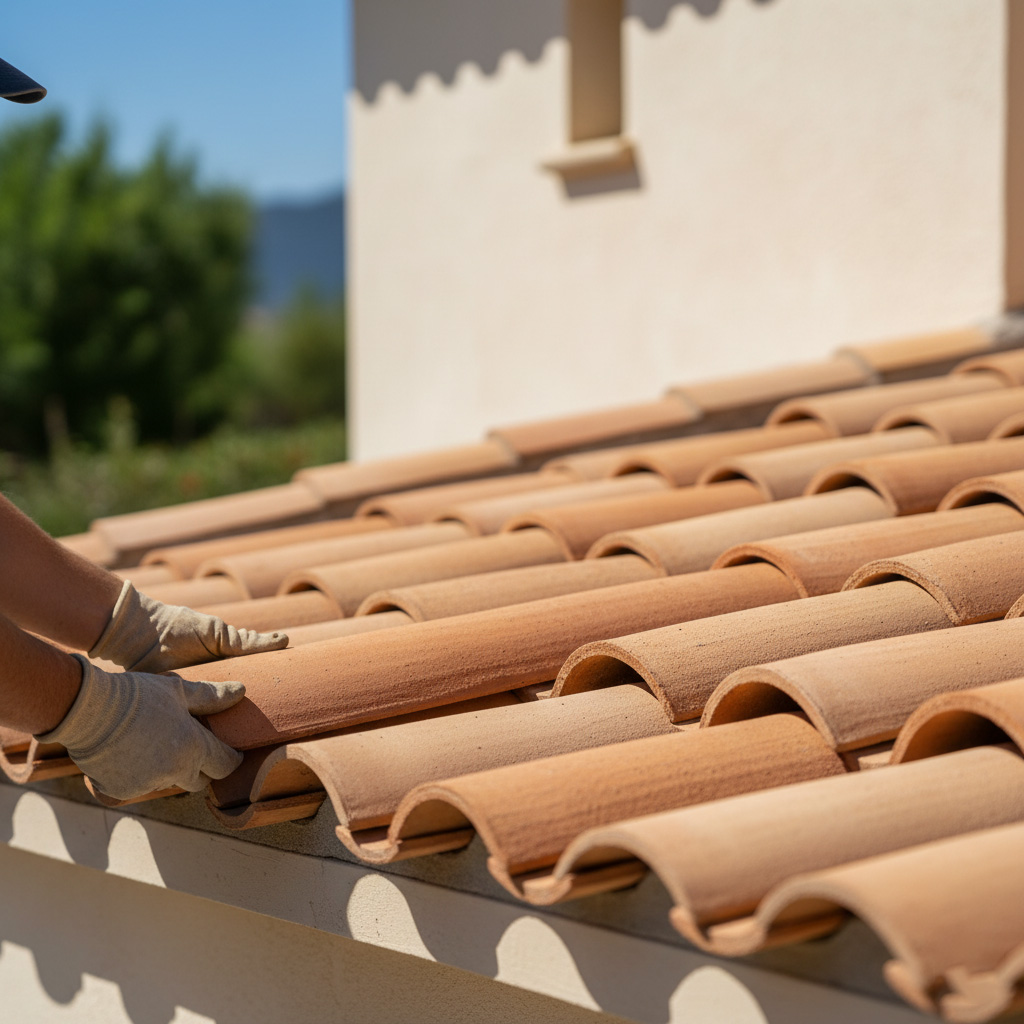
Secret #3: Flashing Mastery That Prevents Leaks in Windy Storms
Flashing sits at the heart of your roof's defense against Tulsa's howling winds and pounding rain. It's those metal strips sealing joints around chimneys, vents, and valleys. Skip the details here, and water sneaks in like a thief, rotting your deck from the inside.
Most crews slap on basic aluminum flashing and call it done. But in Oklahoma windstorms, that bends, gaps open, and leaks start. Pros who last? They layer it right.
Key Flashing Tricks Tulsa Extras Hide
- Step flashing along walls: Zigzag metal under each shingle course for wind-tight seals.
- Counter-flashing over top: Locks it down so gusts up to 80 MPH can't lift it.
- Valley flashing doubled up: Use ice-and-water shield first, then heavy copper for eternal hold.
One Midtown job? Basic flashing failed in a 60 MPH blow. Mastered version? Zero leaks after two seasons of fury.
Secret #4: Nailing Patterns Pros Use for 100+ MPH Winds
Picture this: Tulsa winds howling at 100 miles per hour, ripping shingles loose because your roofer skimped on nails. Most crews slap in the standard four nails per shingle and call it done. Pros double down with a precise six-nail pattern that locks everything tight.
The Winning Nail Pattern
They start with nails in the top corners. Then two more along the top edge. Finish with nails in the bottom corners, driven just right into the shingle's sealant strip.
- Drive nails 1 inch above the sealant strip for max grip.
- Space them 1-2 inches apart across the top.
- Use 1.25-inch galvanized nails, no skimping on length.
This setup shrugs off gusts that shred amateur jobs. One Midtown crew tested it in a lab-simulated storm. Shingles stayed put while standard roofs peeled away like wet paper. Your wallet thanks you when no emergency calls hit after the next twister.
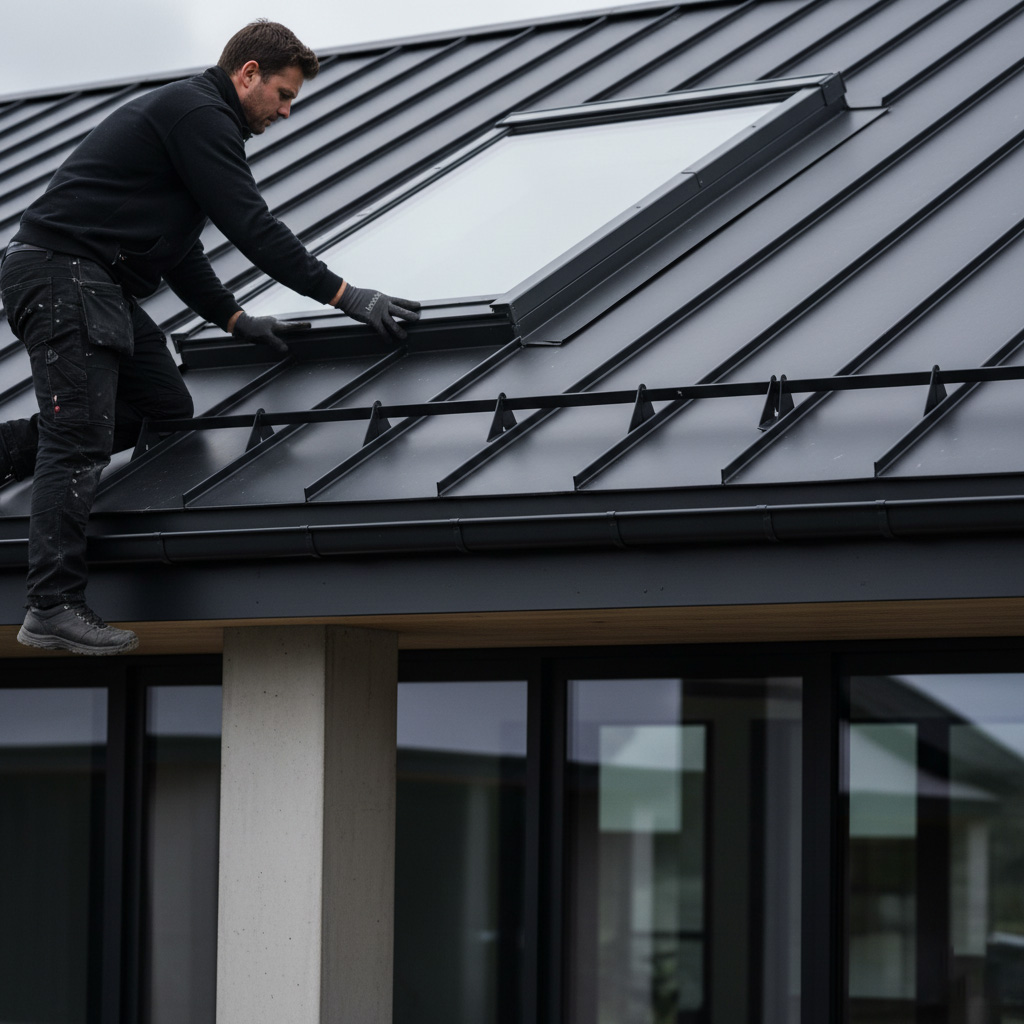
Secret #5: Ventilation Hacks to Survive Tulsa's Scorching Summers
Tulsa summers hit like a furnace. Trapped heat cooks your shingles from the inside, cracking them early and spiking your AC bills. Pros fix this with smart airflow that most crews skip.
Start with balanced intake and exhaust vents. Soffit vents pull cool air in from the eaves. Ridge vents push hot air out at the peak. Miss this combo, and your attic turns into a sauna.
Pro Hacks That Beat the Heat
- Install baffle vents under every rafter. They create a clear path for air, stopping insulation from blocking flow.
- Upgrade to powered attic fans if natural pull falls short. They kick on during 100-degree days, dropping attic temps by 30 degrees.
- Seal gaps around chimneys and pipes. Leaks kill ventilation faster than you think.
One Tulsa homeowner saw his energy bills drop 25% after these tweaks. His roof lasted five years longer too. Demand this on your install, or sweat the consequences.
Case Study: How These Secrets Saved a Midtown Tulsa Roof from Total Failure
Picture this: Sarah in Midtown Tulsa drops $18K on a new roof last spring. First hailstorm hits. Shingles crack. Leaks everywhere. Her "pro" crew ghosts her.
The Disaster Unfolds
Inspection revealed the basics got botched. Deck wasn't prepped right. Cheap underlayment shredded. No wind-resistant nailing.
- Flashing gaps let water pool.
- Ventilation choked, trapping heat.
- Total replacement loomed at $25K.
Turning It Around
We ripped it off and applied the secrets. Solid deck prep first. Upgraded hail-proof underlayment. Pro flashing sealed every seam.
Nailing locked it for 120 MPH gusts. Smart vents beat the summer scorch. Result? Roof stood through two storms. Sarah saved thousands. No more nightmares.
Final Words.
These seven secrets? They're your shield against Tulsa's roof-killing weather.
Skip them, and you're rolling the dice on your biggest home investment. Nail them down, and your roof laughs off hail, heat, and 100 MPH gusts.
Ready to get it right? Hit up our Roof Installation pros today. We'll build you a fortress, not a flimsy cover-up.
- Demand proper deck prep before shingle one hits the roof.
- Insist on hail-rated underlayment every time.
- Verify flashing seals tight against storm winds.
No more flying shingles. Just rock-solid protection that lasts.
People Also Ask
What is the key to proper roof deck preparation that Tulsa pros often rush?
Thorough deck preparation involves inspecting and replacing any damaged plywood or OSB, ensuring spans meet code, and applying a full layer of synthetic underlayment before shingles. Rushing this step leads to premature deck rot and shingle failure in Tulsa's humid climate. Pros who skip it hide the fact that it doubles your roof's lifespan.
How does upgraded underlayment improve hail resistance in Oklahoma?
High-impact synthetic underlayments like titanium or peel-and-stick membranes absorb hail energy better than standard felt, preventing cracks and water intrusion. In Oklahoma's frequent hail storms, these upgrades reduce claim denials from insurers demanding Class 4 impact ratings. Tulsa experts recommend them to avoid costly re-roofing after every storm season.
Why is flashing mastery essential for preventing leaks in Tulsa's windy storms?
Proper flashing uses step flashing integrated with counter-flashing and kick-out diverters at walls and chimneys to direct water away from seams. In Tulsa's high winds, poor flashing allows rain to wick under shingles, causing interior damage. Master installers overlap and seal every joint meticulously for leak-proof performance.
What nailing patterns ensure roofs survive 100+ MPH winds in Tulsa?
Pros use 6-nail patterns with nails 1.25 inches long, placed in specific shingle zones per ASTM standards, plus starter strips with full adhesive seals. This exceeds standard 4-nail installs, locking shingles against uplift in tornado alley gusts. Wind-tunnel tested patterns are the hidden key to insurance-approved wind warranties up to 130 MPH.
How do ventilation hacks help roofs endure Tulsa's scorching summers?
Balanced intake vents at eaves and exhaust ridge vents create airflow to expel hot air, reducing attic temps by 50 degrees and preventing shingle granule loss. Tulsa's extreme heat accelerates thermal expansion cracks without proper soffit and ridge venting ratios of 1:150. These hacks cut energy bills and extend asphalt shingle life by 10+ years.

Tulsa Roofing provides roofing services to homes and businesses throughout Tulsa, OK. With years of hands-on experience, the team handles installations, repairs, and maintenance tailored to local needs. Deeply committed to the Tulsa community, Tulsa Roofing delivers reliable workmanship for enduring results.
Need Roofing?
Fast roof repairs and replacements in Tulsa, OK and nearby areas keep your home leak-free and protected in record time. (74133, 74137, 74146, 74136, 74145)
Get Roof Quote