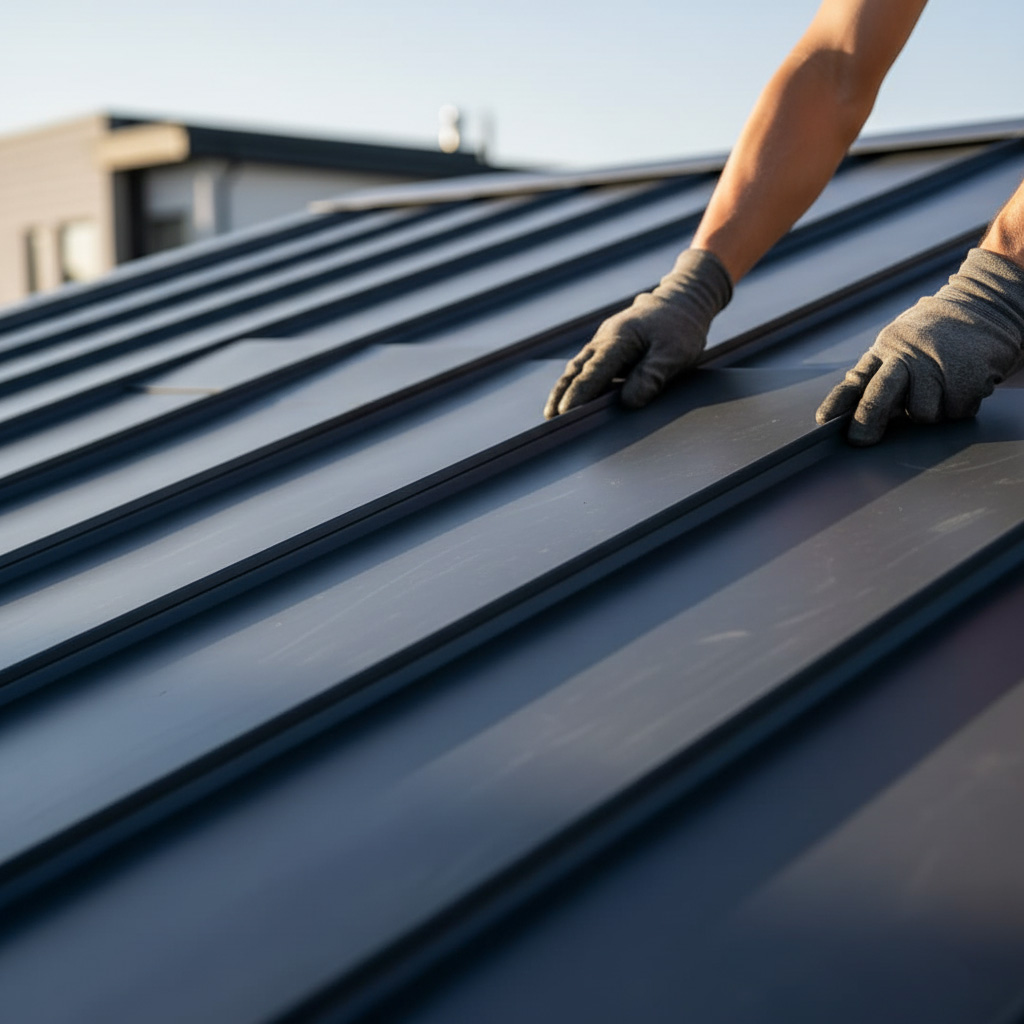


⚡ TL;DR: Learn the five essential roof inspection checks for Tulsa homes, covering shingle integrity, flashing, gutters, attic ventilation, and structural supports to prevent weather-related damage.
📋 What You’ll Learn
In this Tulsa roof inspection guide, you’ll uncover the 5 essential checks to safeguard your home from hail, wind, leaks, and hidden structural threats in Oklahoma’s severe weather.
- Spot shingle and tile damage from hail and wind by identifying cracks, bruises, granule loss, and missing pieces that signal urgent repairs in storm-prone Tulsa.
- Examine flashing and sealants around vents and chimneys to prevent water intrusion, mold growth, and costly interior damage during heavy rains.
- Assess gutters and drainage for clogs and proper flow, ensuring Tulsa’s thunderstorms divert water away from your foundation and roof edges effectively.
- Check attic ventilation and insulation to avoid heat buildup, moisture traps, ice dams, and energy loss that shorten roof life in humid Oklahoma summers.
- Inspect structural supports and underlayment for rot, sagging, or weaknesses hidden beneath surfaces that could lead to collapse if overlooked.
📖 Reading time: 7 min
✍️ Author expertise: Tulsa roofing contractor with 20+ years of field inspections on storm-damaged OK homes.
Ever wake up in Tulsa to the sound of rain drumming on your roof, only to find water dripping through your ceiling by breakfast? That nightmare hits thousands of homeowners here every storm season, turning a minor oversight into a five-figure fiasco.
Blame it on Oklahoma's wild hail, scorching sun, and tornado threats – your roof takes a beating, and skipping inspections lets small cracks become catastrophes.
Want to bulletproof your home before the next big blow? Here's the 5 must-checks every Tulsa roof demands.
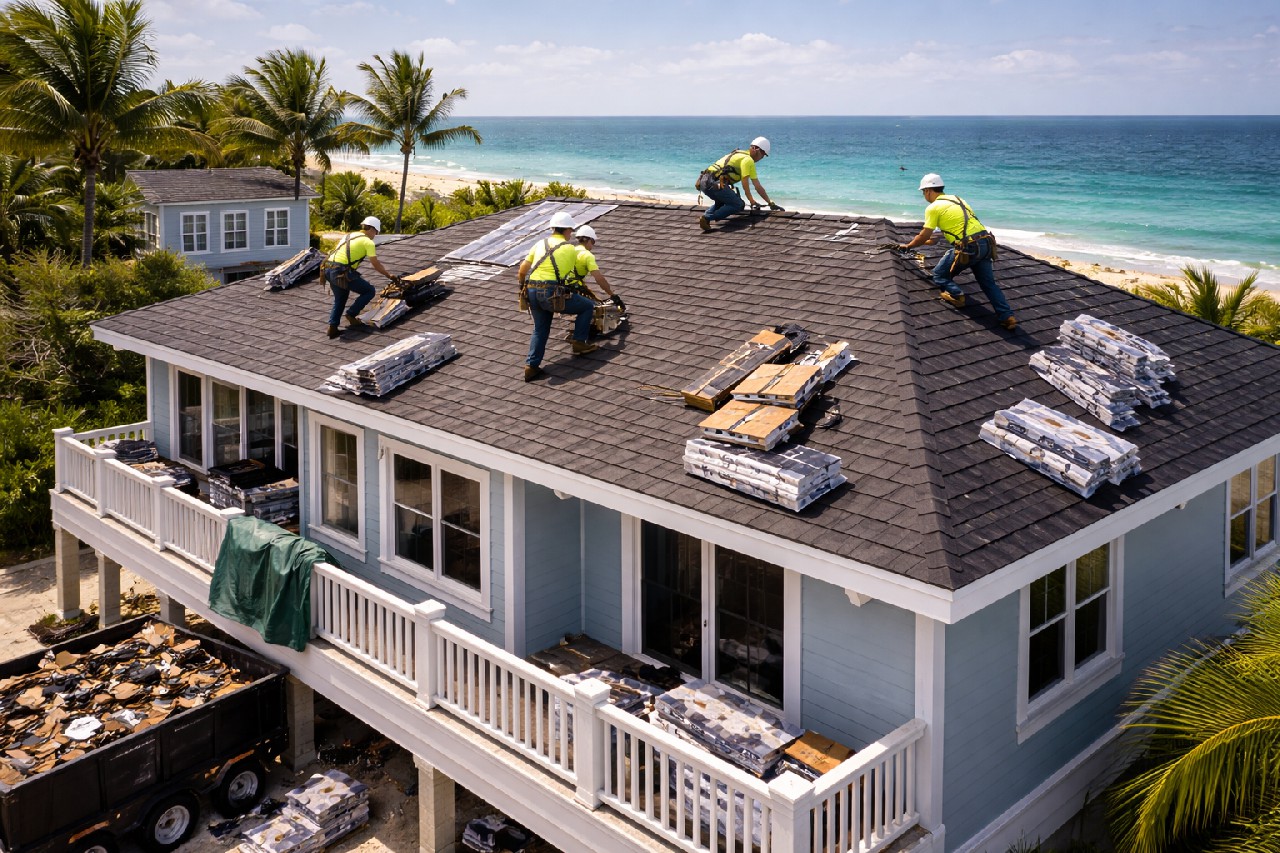
Shingle and Tile Integrity: Detecting Hail and Wind Damage
Tulsa's hail storms pound roofs like fists on a heavy bag. One golf-ball sized chunk can bruise shingles, cracking them open to leaks. Wind gusts rip edges loose, letting water sneak in.
Grab binoculars or climb a ladder safely. Look for these dead giveaways:
- Granule loss: Bare spots where protective grit washed away, signaling wear.
- Curling or cupping: Shingles warping up at edges from heat or age.
- Cracks, bruises, or missing pieces from hail hits.
- Lifted tabs flapping in the breeze, prime for full tear-off.
Spot any? Don't patch it yourself. A pro inspection reveals if it's surface dings or deeper rot eating your roof from inside.
Flashing and Sealants: Preventing Leaks Around Vents and Chimneys
Picture this: water sneaks past your chimney during a Tulsa downpour. Flashing – those metal strips sealing roof edges – and sealants keep it out. Cracked or missing ones turn vents into waterfalls straight into your attic.
Inspect close up with binoculars if needed. Look for rust, gaps, or peeling caulk. In our stormy climate, these fail fast under hail and wind battering.
Quick Checks That Save Headaches
- Curling or lifting flashing: Means water's pooling, rotting wood underneath.
- Dried, cracked sealant: Squeeze test – it should stay put, not squish out.
- Stains on chimney mortar: Early leak signal. Probe gently for soft spots.
Spot trouble? Don't slap on cheap caulk from the hardware store. Call pros for durable fixes that last through Oklahoma's brutal seasons. One overlooked seam can flood your home overnight.

Gutters and Drainage: Ensuring Proper Water Flow in Stormy Tulsa Weather
Tulsa's thunderstorms dump inches of rain in hours. Clogged gutters turn your roof into a sponge, backing water up under shingles. One quick look can spot the trouble before it rots your fascia boards.
Grab a ladder and scan these hotspots:
- Debris buildup: Leaves, twigs, and hail debris choke the flow. Clear it now, or watch water cascade over edges.
- Gutter alignment: Sagging sections pool water. Check for loose brackets holding them level.
- Downspout function: Water should rush away from your foundation. Blocked or crushed pipes spell basement floods.
Poor drainage erodes soil around your home's base. In wind-whipped Tulsa gales, overflowing gutters batter siding and invite mold inside. Fix this fast, and your roof stays dry through every downpour.
Attic Ventilation and Insulation: Avoiding Heat and Moisture Buildup
Tulsa summers bake your roof like a skillet. Poor attic ventilation traps that heat, forcing your AC to work overtime and spiking your bills. Worse, trapped moisture from our humid storms breeds mold and rots your rafters from the inside out.
Climb up there during inspection season. Look for these red flags that scream "fix me now."
- Blocked vents: Leaves, debris, or even bird nests choking soffit or ridge vents.
- Settled insulation: Gaps letting hot air sneak through, or too much crammed in, starving airflow.
- Condensation stains on rafters or wet insulation – prime mold territory.
Good airflow keeps temperatures even, cuts energy costs by up to 30%, and stops wood from warping. In Tulsa's brutal weather swings, this check alone can add years to your roof's life. Skip it, and you're inviting a soggy, expensive mess.
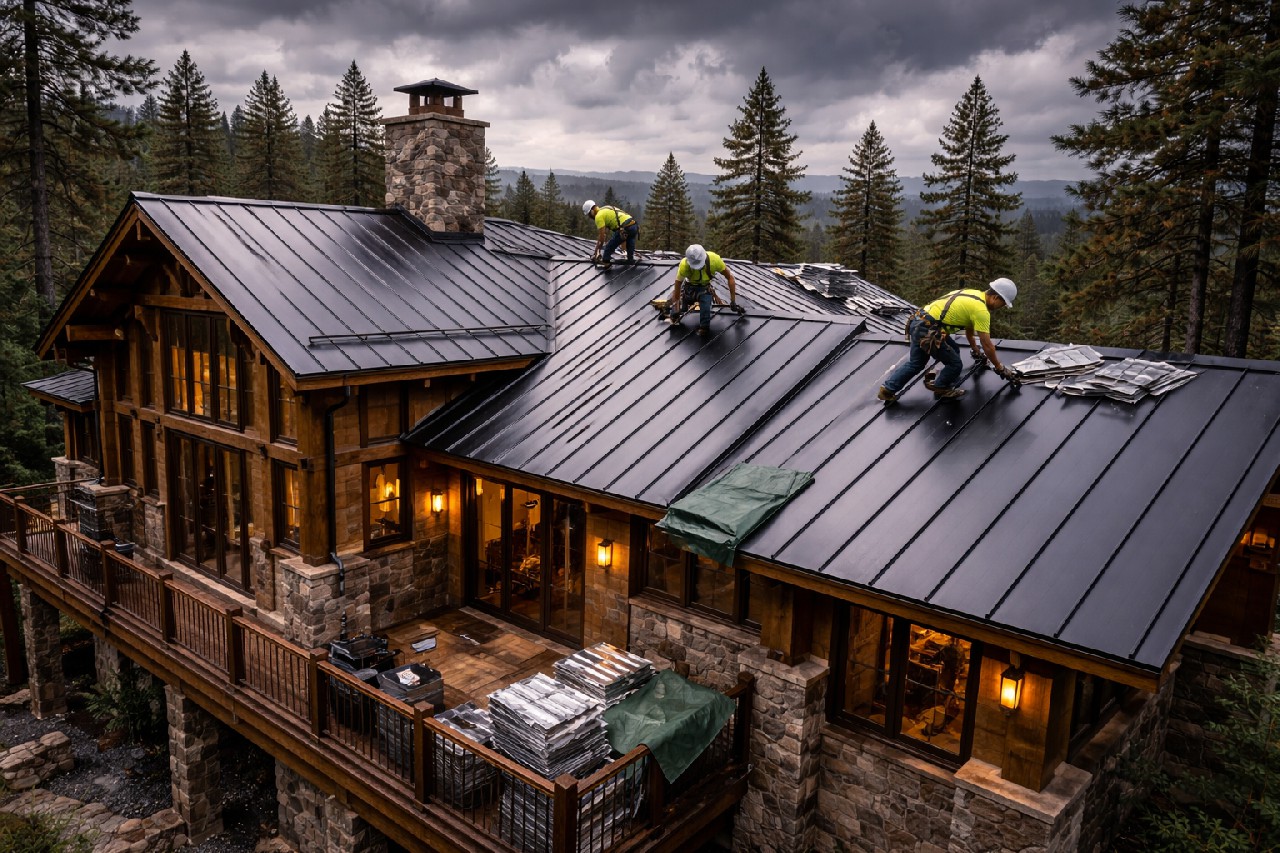
Structural Supports and Underlayment: Checking for Hidden Weaknesses
Peek under your shingles, and you'll find the real backbone of your roof: rafters, trusses, and that waterproof underlayment. In Tulsa's brutal storms, these parts rot silently or crack from relentless pounding. Ignore them, and your whole house could sag like a bad poker hand.
Spot Trouble in the Supports
- Cracks or bows in wooden rafters scream overload from heavy hail buildup.
- Soft spots? Rot from trapped moisture means mold's partying up there.
- Rust on metal trusses? That's your cue for immediate reinforcements.
We climb in and probe every beam. One tap reveals weakness before it buckles.
Underlayment: Your Last Leak Defense
Torn or brittle underlayment lets water sneak past shingles straight to wood. In our humid Oklahoma summers, it degrades fast. Lift a few shingles during inspection - dry and intact wins; puckered or missing spells disaster.
Replace it proactively. Saves you from a total roof tear-off down the line.
Case Study: How We Saved a Midtown Tulsa Home from Imminent Collapse
Picture this: A Midtown Tulsa family calls us after a brutal hailstorm. Their 20-year-old roof looked okay from the street. But one peek inside the attic revealed pure chaos.
The Red Flags We Spotted
- Cracked shingles from hail had torn the underlayment, letting water pool everywhere.
- Flashings around the chimney were rusted and gaping, inviting leaks straight into the rafters.
- Zero attic ventilation trapped hot, moist air, rotting the wooden supports from the inside out.
Without our inspection, that roof would've caved in during the next wind gust. The family dodged a $50,000 disaster.
We stripped the old mess and installed a hail-resistant asphalt system with fresh seals and vents. Drains got a full upgrade for those Oklahoma downpours. Now? Their home stands strong, insurance covered most of it, and they've got peace of mind.
Final Thoughts
Your Tulsa roof isn't just overhead protection. It's your first defense against hail storms that pound like fists and winds that rip without mercy. Spot these five checks early, and you dodge leaks that rot rafters overnight.
Think back to that Midtown home we just saved. One inspection flipped disaster into a quick fix. Don't wait for the drip in your kitchen to tell you it's too late.
- Grab your ladder for a quick visual today.
- Or call pros who climb roofs in Tulsa rain without flinching.
- Dive deeper into roof inspection tips that keep your family dry.
Act now. That next storm won't send a warning label.
People Also Ask
How often should I schedule a roof inspection in Tulsa?
In Tulsa's stormy climate with frequent hail and high winds, experts recommend annual roof inspections, or more frequently after severe weather events. Regular checks help catch issues early, preventing costly repairs from escalating. Contact a local roofing professional like ours for a thorough assessment tailored to Oklahoma conditions.
What are the main signs of hail damage on Tulsa roofs?
Hail damage often appears as granule loss on shingles, dents, or cracks that compromise integrity. In Tulsa, where hailstorms are common, these signs can lead to leaks if ignored. A professional inspection uses tools like drones to detect hidden damage accurately.
How important is flashing during a Tulsa roof inspection?
Flashing around chimneys, vents, and skylights prevents water intrusion, crucial in Tulsa's heavy rains. Deteriorated or missing flashing is a top leak source we check during inspections. Proper flashing maintenance extends your roof's lifespan significantly.
Why check attic ventilation in Tulsa roof inspections?
Poor attic ventilation in Tulsa's hot, humid summers causes heat buildup, ice dams in winter, and moisture issues leading to mold. We inspect vents and insulation to ensure balanced airflow. This prevents premature roof deterioration and boosts energy efficiency.
What does underlayment inspection reveal in Tulsa homes?
Roof underlayment acts as a secondary waterproof barrier; wear exposes your home to leaks. In Tulsa inspections, we look for tears, bubbling, or inadequate coverage beneath shingles. Replacing compromised underlayment averts major structural damage.

Tulsa Roofing delivers roofing services to homes and businesses throughout Tulsa, OK. With years of hands-on experience, their team handles repairs, replacements, and installations adapted to local weather conditions. Committed to the Tulsa area, they emphasize quality craftsmanship and reliable results.
Need Roofing?
Fast roof repairs and replacements in Tulsa, OK and nearby areas keep your home leak-free and protected in record time. (74133, 74137, 74146, 74136, 74145)
Get Roof Quote